Bridging innovation and implementation in Asia’s energy transition
How philanthropy helps turn ideas into operating solutions across Asia, with partners including The Sunrise Project
Asia’s energy transition is accelerating under the twin pressures of rising demand and the urgent need for resilient energy systems. Across the region, however, the primary constraint is no longer a lack of ideas or technology—it is the ability to implement them at scale, in ways that are locally grounded, financially viable, and durable.
Addressing these gaps require more than capital alone. In many markets, progress is slowed by limited institutional capacity, fragmented coordination, and insufficient early-stage support to bring viable solutions to the point where commercial investment can flow.
As a coalition of regional climate foundations and transnational partners, ReNew2030 works alongside organisations such as The Sunrise Project to demonstrate how grants-based philanthropic support—early risk-taking, technical expertise, and ecosystem coordination—can unlock and scale renewable energy initiatives.
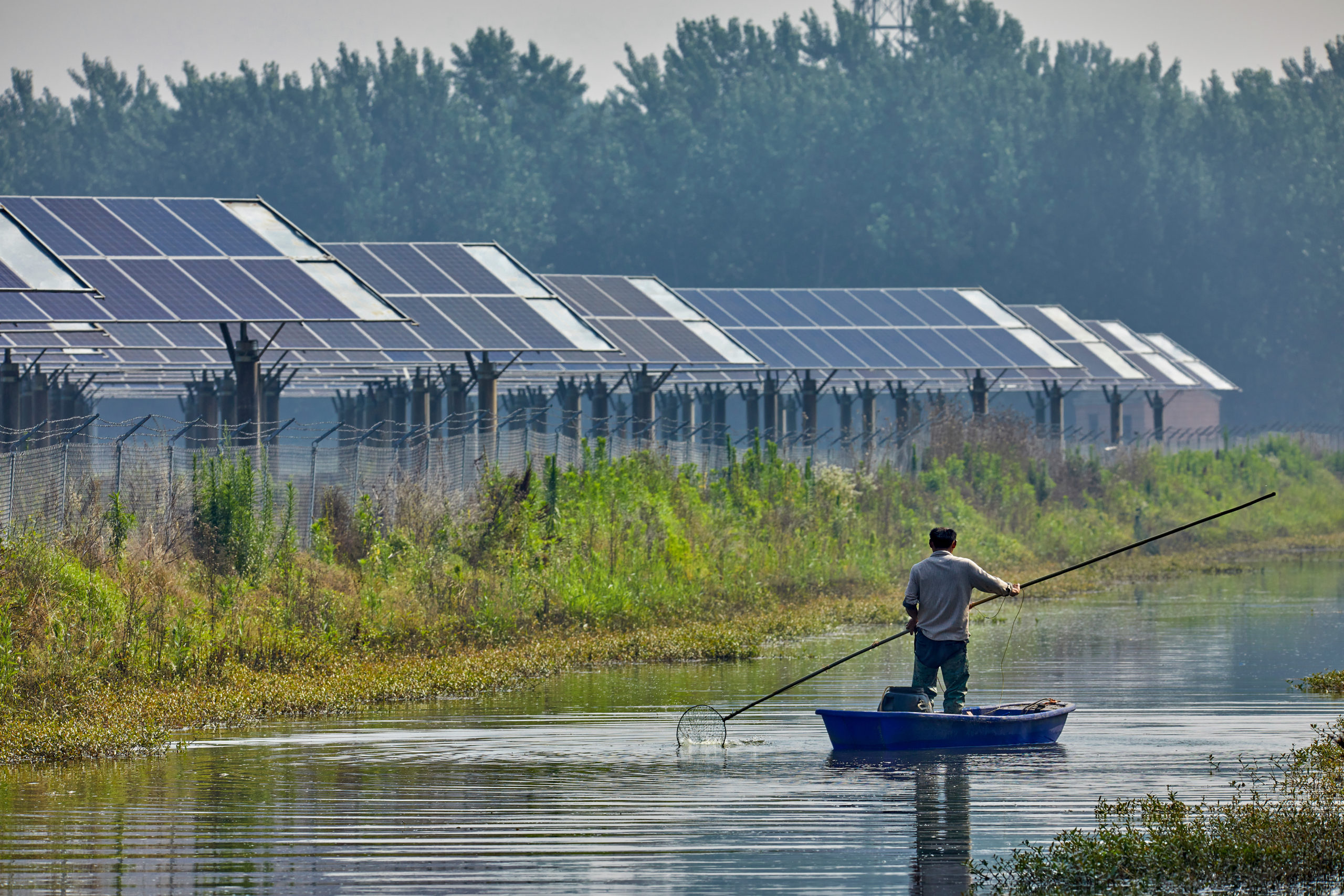
As regional platforms like Singapore’s Ecosperity Week highlight the growing focus on climate and energy solutions, they also raise a central question: what actually enables delivery on the ground?
The answer increasingly lies in the strength of the systems around these efforts. Across Asia, think tanks, NGOs, innovators, and financial institutions are generating ideas and opportunities, but often lack the connections, capacity, or conditions needed to translate them into implementation. Philanthropy helps close this gap by operating across the system: from supporting coordination and strengthening the capacity of local organisations and institutions, to enabling early-stage project and pipeline development and enhancing the conditions for investment in renewable energy.
Much of this work focuses on less visible but critical steps that enable delivery and allow solutions to move from concept to implementation. The examples below illustrate how this approach is being applied in practice.
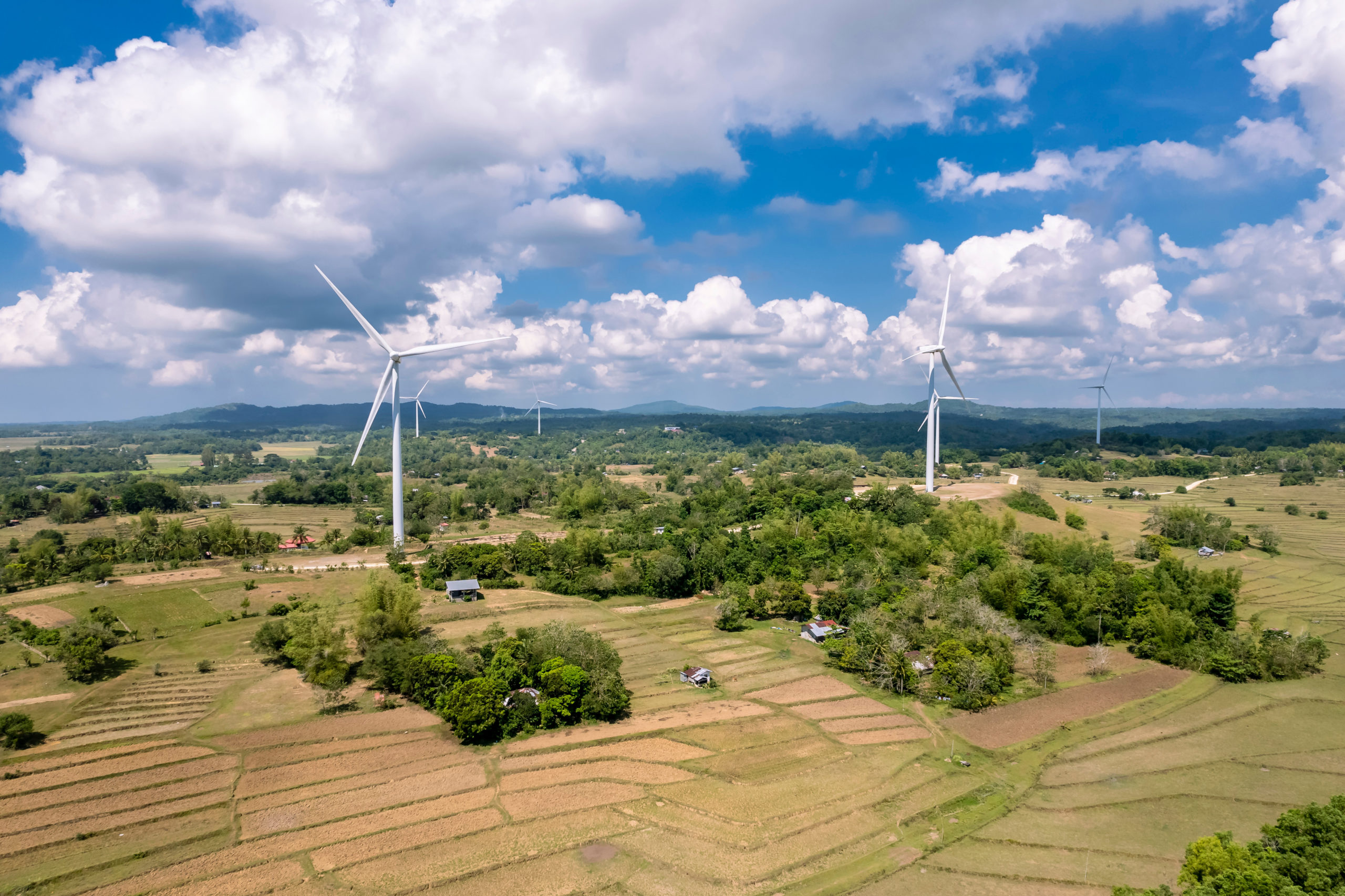
In the Philippines, electric cooperatives serve around 15 million people, many in rural and island areas where reliable power remains a challenge. While central to national renewable energy ambitions, they have historically had limited capacity to develop generation projects themselves.
The Local Utility Project Accelerator (LUPA), developed by Allotrope Partners and now operating through Kapuluan Renewables, addresses this gap by working directly with cooperatives to build technical, financial, and development capability. By combining hands-on support with pathways to financing, it enables cooperatives to originate and deliver solar and battery projects.
Early results are already visible. In Aurora Province, a cooperative is advancing its first solar project to improve reliability and reduce costs for over 60,000 customers. Across the country, a pipeline exceeding 100 MW is under development, reaching more than 2.7 million customers.
Philanthropy here is helping build institutional capacity and create a pipeline where none previously existed, enabling local actors to deliver renewable infrastructure at scale.
Across South and Southeast Asia, distributed renewable energy is expanding rapidly, but financial institutions often lack experience lending to decentralised systems. This reflects limited track record, unfamiliar risk profiles, and a lack of standardised financing structures—but also a broader disconnect between financial institutions and the renewable energy ecosystem.
The Clean Energy Finance Roundtable (CEFR), co-convened with New Energy Nexus and JADE Dialogues, works to close this gap by bringing together banks, developers, and ecosystem actors in a working platform to develop practical solutions to financial barriers in real time.
This is already producing results: in Pakistan, partners are developing a securitisation facility for distributed solar to unlock larger pools of capital by recycling investment flows; in Cambodia, electric motorcycle financing models are advancing; and in Bangladesh and Vietnam, new approaches to solar and energy services are taking shape.
In this context, philanthropy is instrumental in aligning systems—connecting capital with opportunity by reducing barriers, improving trust, and enabling new financial pathways.
Strengthening locally relevant solutions is essential, as the most impactful approaches are often those shaped by the realities and constraints of the contexts in which they are deployed. Pakistan provides a clear example of this dynamic.
Climate Innovation Pakistan (CLIP) focuses on this part of the ecosystem, supporting early-stage innovators working on energy, storage, mobility and climate technologies. Through incubation, mentorship and practical support, it supports startups test solutions, refine business models and build pathways toward scale.
One example is Power Sodium, which is developing battery technologies designed to reduce reliance on imported materials and diesel backup systems. Its systems are tailored for applications such as telecoms, microgrids and data centres, where reliable and cost-effective energy is critical.
By backing locally grounded innovation systems, philanthropy helps turn early-stage ideas into practical approaches shaped by national needs and regional realities.
Across these examples, a common lesson emerges: progress depends not only on individual projects, but on the strength of the systems that enable them.
Working with regional partners, philanthropy helps create the conditions for change by addressing the gap between ideas and implementation—supporting early development and taking on risk where markets are not yet ready.
In the Philippines, this has enabled electric cooperatives to begin developing renewable energy assets and attract investment. Across Southeast Asia, collaboration with financial institutions is supporting capital to flow toward distributed energy through stronger financing structures and greater investor confidence. In Pakistan, support for innovators is enabling locally relevant solutions to move from early-stage development toward real-world application.
These efforts highlight the importance of solutions shaped by local realities and led by organisations embedded in the communities they serve.
By working across these interconnected gaps, ReNew2030 and its partners are helping create the conditions for solutions to take hold. As efforts scale across the region, progress will depend on strengthening both the systems that enable change and the local capacity that sustains it.